+1 million
real-time student feedbacks collected
6.5 point
increase in the Happy Index score
27% reduction
in student meal dissatisfaction
1.2% higher
satisfaction score than industry average
A vocal community, but no direct line to students
Capistrano Unified School District is the largest school district in Orange County, California, serving families across the south of the county. Its Food and Nutrition Services team runs an outdoor-focused, universal-free-meal program under federal National School Lunch and Breakfast Program rules – with strict limits on calories, sodium, saturated fat and increasingly added sugar, across 55 site kitchens spanning elementary, middle and high schools.
In an affluent, vocal community, the team never lacked opinions about the food. What they lacked was a quiet, direct line to the people actually eating it: the students. Parent and community feedback was plentiful, yet student feedback was not. The goal was to hear from students themselves – not as a customer-service score, but as practical menu insight.
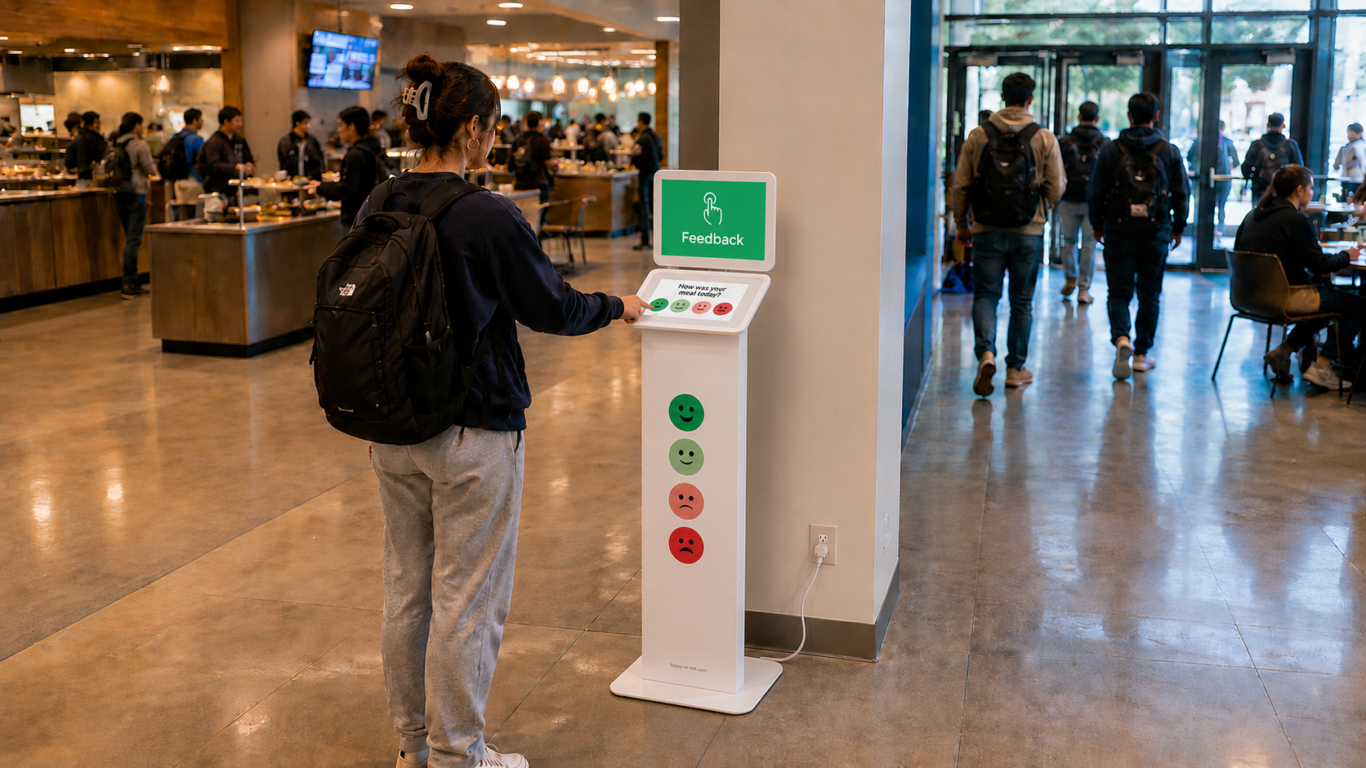
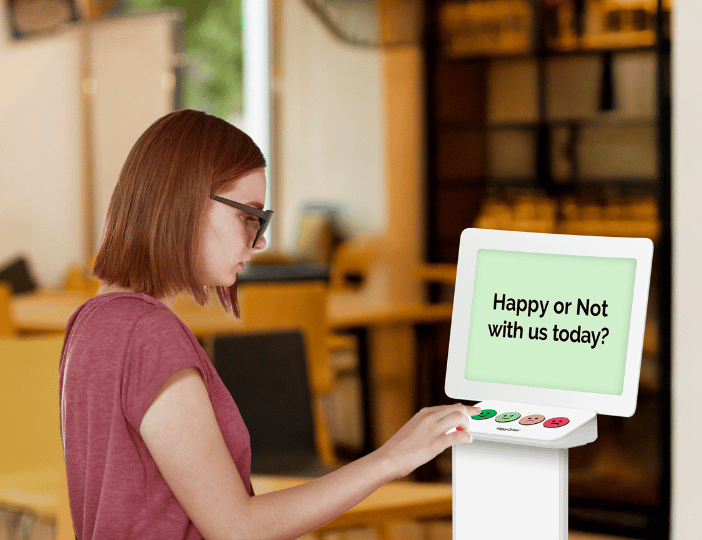
To do that, Capistrano deployed HappyOrNot in its cafeterias. Smiley Terminal kiosks serve the youngest students with a simple four-smiley tap, while middle and high schoolers use a Smiley Touch tablet that lets them also leave written comments. The question is deliberately simple: “How was your meal service today?” capturing real-time student feedback at the moment the meal is freshest in a student’s mind.
“This was an opportunity for us to quietly, in a way, get feedback from our students, not just their parents and the rest of the community,” tells Kristin Hilleman, Director of Food and Nutrition Services, Capistrano Unified School District
The menu gaps assumptions had hidden
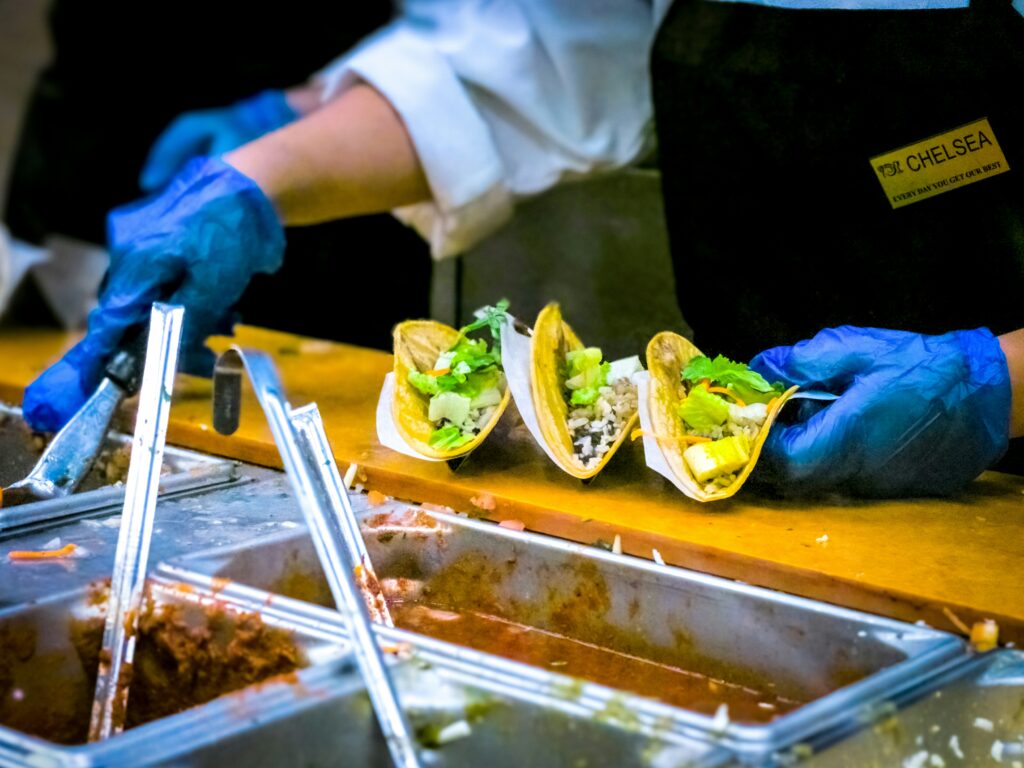
Once feedback started flowing, the granularity changed what the team could see. Downloadable data in 15-minute increments let the team separate breakfast from lunch and pinpoint which items students actually liked, school by school and moment by moment.
One early eye-opener: Sites offering vended pizza were ordering it at around 80% over the meals meant to be cooked on site, and the written comments echoed the imbalance: “All they have is pizza” and “They never have what I want.” Built-in misuse protection kept the signal trustworthy: when younger students tap every face like a piano, only a limited number of responses register, so the data stays genuine enough to pair with operational records.
“Some of the staff were kind of like, oh, we’re being put on blast. But it worked out nicely for future menu planning so we could do a better organization and variety of options,” says Hilleman.

Closing the loop, visibly
The data did not sit in a dashboard. The clearest example of closing the loop was spicy chicken: after middle schoolers consistently said they wanted it gone, the team swapped it back to a non-spicy version and shared the change with a simple line: “You spoke, we listened.”
The response is built into a weekly rhythm. Nutrition Specialist Kristen Robbins scans comments for anything needing fast follow-up, then correlates the overall data with meals served, meals produced and waste. Recurring comments trigger one of three operations managers to visit the school in question, and findings are reported to the management team weekly and weighed against menu and operational decisions.
“That has been successful for us at letting the students know that they’ve been heard… ultimately, they are our customers,” shares Hilleman.
More variety, more trust, more participation
The operational impact shows up in the menu. Each change is now informed by a real signal rather than an assumption, and validated in the feedback that follows.
The deeper impact is trust. Students see their input turning into real menu changes, which reinforces that the program is listening. In a universal free-meal model, that matters commercially as well as culturally: participation is the whole ballgame, because federal reimbursement depends on students actually choosing to eat the meals served.
“They may not be paying for the meal, but if they don’t eat with us, we don’t get paid,” says Kristen Robbins, Nutrition Specialist.
Treat students as the customers they are
For Capistrano, the lesson is that better school meals don’t start with a new recipe – they start with listening. Real-time feedback replaced guesswork with a steady, trustworthy signal of which items land, which don’t and where a small change will lift participation.
Crucially, listening to students never meant handing them the menu. When stricter added-sugar rules meant taking chocolate milk off the menu, the team used the flood of “bring back the chocolate milk” comments as a teaching moment rather than a veto.
The broader best practice for other districts: make feedback effortless, give someone ownership of the data, and close the loop visibly so students see that their voice changes what’s on the plate. Within the nutrition and budget rules a team can’t change, cafeteria feedback turns rigid constraints into a conversation.
“It’s a good chance to have that dialogue with them: here’s what we’re required to do with your meals and here’s why, but what would you like to see at breakfast instead?” says Hilleman.
About Capistrano Unified School District
Capistrano Unified School District is the largest school district in Orange County, California, and one of the largest in the state, serving more than 40,000 students across south Orange County. Its Food and Nutrition Services department provides meals across 55 site kitchens spanning elementary, middle and high schools, with a focus on nutritious, student-centered menus delivered within federal school-meal guidelines. Learn more at capousd.org.