How to boost meal success with student voice & real-time feedback
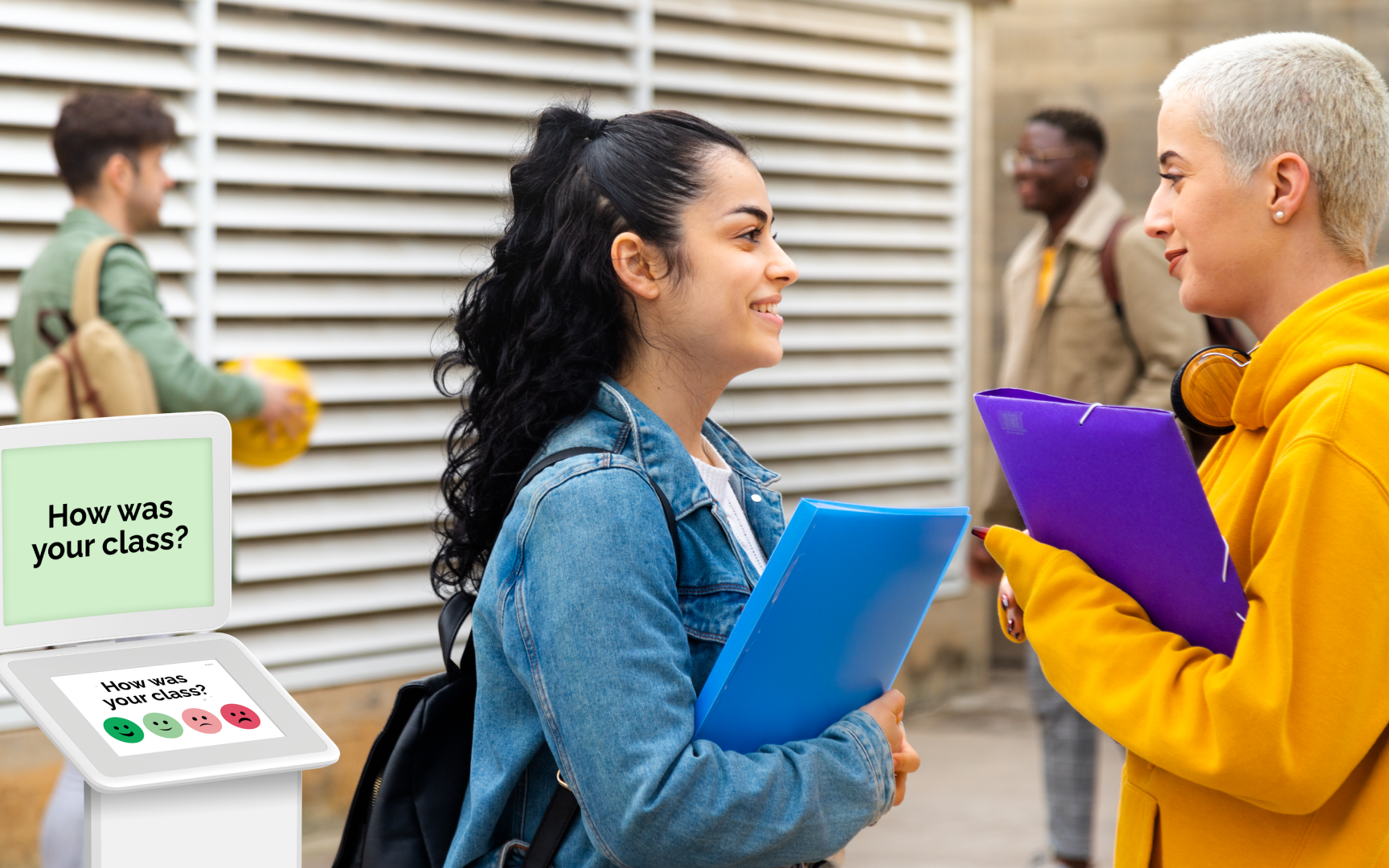
Nearly 90% of teenagers say they’re more likely to eat school lunch if asked for their input. On the flip side, if students don’t like the food, they won’t eat it, and that impacts everything from daily reimbursements and plate waste to team morale and program funding.
The message is clear: Student feedback is critical to improving school lunch programs. By engaging student voice through real-time feedback tools, K–12 food service leaders can serve meals that students enjoy, boost participation and make data-driven improvements that keep everyone smiling.
Traditional school meal surveys vs. real-time feedback
For years, many school nutrition teams have relied on conventional methods like annual school meal satisfaction surveys, suggestion boxes or occasional focus groups to gauge student opinion. But the reality is that these old-school approaches have significant limitations.
Surveys are infrequent and time-consuming as someone has to design the questionnaire, distribute it, follow up on responses, tally the results and analyze the data. Often, this burden falls on an already overstretched staff. But even then, you will most likely only hear from a small fraction of the students you serve.
As MaRendia Garner, the Food & Nutrition Director at Greensville County Public Schools, recalls: “Before HappyOrNot, we relied on word of mouth and paper surveys. But paper surveys are hard to tally and, when you talk to the students, it’s difficult for them to give you honest feedback face to face.”
By contrast, real-time student feedback systems are changing the game. Real-time feedback is fast, simple and requires virtually no extra work from your team. Instead of waiting weeks or months for results, you get insights daily.

Benefits of real-time student feedback in school meals
Adopting a feedback system for school nutrition comes with a buffet of benefits. With daily data rolling in, K–12 nutrition leaders can make improvements on the fly, leading to both operational gains and greater student engagement.
Here are some key ways real-time student feedback can transform your school meal program:
1. Higher participation & less waste
When menus match what students want, more kids join the lunch line. Increased participation not only supports student nutrition goals but also spreads fixed costs across more meals, improving your program’s financial health. At the same time, serving food that students enjoy means less plate waste.
2. Real-time menu adjustments & operational efficiency
Real-time student feedback enables directors to respond immediately to issues. Instead of waiting until a semester ends to find out a new recipe flopped, you’ll see the discontent in today’s feedback scores and can pull the item from next week’s menu.
3. Empowering student voice & engagement
By giving students a simple way to express their opinions daily, you foster a culture where they feel respected and engaged in their school experience. It leads to higher overall student engagement in the meal program.
4. Positive feedback & staff motivation
Traditional feedback channels often surface only complaints. In contrast, real-time systems capture positive responses and comments too. It means your team can get immediate recognition for a job well done. One day’s feedback might reveal outstanding satisfaction at a particular school or menu item — an opportunity to give your cooks and servers a shout-out.

Real-time feedback in action: Insights from the field
Nothing illustrates the power of student voice better than real-world success stories. A great example comes from Greensville County Public Schools (GCPS) in Virginia. Garner implemented HappyOrNot’s real-time feedback kiosks across her K–12 cafeterias and saw a transformation quickly.
Before this, her team had been using word-of-mouth and paper surveys to get input — methods that “didn’t represent the majority of the students,” as she observed. “I wanted something honest where students didn’t have to talk to an adult face to face … it had to be quick and simple,” Garner says of her decision to seek a new solution.
When GCPS installed three feedback devices (two Smiley Touch™ terminals for the younger kids and one touchscreen for the high school), student response was enthusiastic. “At the elementary level, they were just excited because of the faces … . On the high school level, knowing that they could leave feedback on how they felt, it was like, ‘oh, wow — so y’all are listening!'” Garner notes.
The real-time feedback system didn’t just please students. It also empowered the GCPS nutrition team to improve operations. According to Garner, “we’re more responsive and intentional now. When the students leave feedback, it’s so instant that we can check things right there and be like, OK, they don’t like that option today … . Let’s take that out. We won’t repeat it in two weeks.”
As a result, “participation has increased” in the district’s meal program, she reports. The continuous flow of information lets the team implement student suggestions almost immediately. “They wanted a flavor station. We were like, OK, that’s something we can do … . If they leave it today, you can act on it tomorrow,” Garner explains of the quick turnaround.
The data coming in each day provided concrete evidence of improvement. Over the first few months, GCPS collected more than 20,000 student feedback responses and saw its average satisfaction score increase from 53 to 87 —– a 64% boost in meal satisfaction in a short period. That kind of jump reflects not just better food, but a more student-centered approach to service.
Give students a voice in their school meals
Giving students a voice in their school meals drives tangible improvements: More kids enjoying lunch, fewer meals tossed out and data to guide every decision from the kitchen to the boardroom. The schools that embrace student voice are seeing happier students and healthier meal programs. It’s a win-win approach that turns daily cafeteria interactions into opportunities for growth.
Ready to boost your own program’s success with real-time feedback? Learn more on our K–12 Schools page, a hub for school meal feedback tools, case studies and best practices — and be sure to watch our on-demand webinar featuring Garner’s story here to hear first-hand how real-time feedback is making a difference in schools like yours.
Frequently asked questions
How can schools improve school lunches?
Schools can improve lunches by using real-time student feedback to understand what students want to eat. A student feedback tool, like HappyOrNot, helps identify which menu items are popular and which aren’t, allowing for quick adjustments. It results in higher school meal satisfaction, reduced plate waste and better participation.
What is real-time student feedback?
Real-time student feedback is instant input collected from students about their cafeteria experience, often through tools like feedback kiosks. Unlike traditional school meal surveys that are slow and have limited reach, real-time systems gather thousands of responses quickly, providing daily insights into student satisfaction.
How can schools improve lunch participation?
To improve lunch participation in schools, nutrition leaders can use real-time student feedback to tailor menus to student preferences. When students feel their voice is heard, they’re more likely to eat school-provided meals. Implementing a school lunch survey or student feedback tool allows teams to spot dissatisfaction quickly and make changes that increase engagement, reduce waste and ultimately drive more students to the lunch line.
What are the benefits of student feedback on school meals?
Student feedback helps improve school lunch programs by driving better menu choices, boosting participation and reducing waste. Using a real-time feedback system ensures student voices are heard daily, not just through yearly cafeteria surveys. It leads to more responsive operations, empowered staff and greater student engagement. Schools using K–12 nutrition software with feedback tools often report significant jumps in school meal satisfaction scores.
How do you implement feedback tools in schools?
To implement a student feedback tool in schools, choose a plug-and-play system like HappyOrNot that requires no complex setup. Install the kiosks in cafeterias, ideally near exits, so that students can respond with a simple tap after each meal. These systems work seamlessly with existing K–12 food service workflows, collecting real-time student feedback without disrupting class time or adding work for staff.
Why is student voice important in cafeteria choices?
Student voice is essential in cafeteria choices because when students feel heard, they engage more with school meals. Real-time student feedback tools give every student a chance to express their opinion quickly and anonymously. It creates a culture of inclusion and accountability, where school meal satisfaction surveys reflect real preferences, not just loud opinions. When students see their input drive change, participation and satisfaction rise, benefiting both students and the nutrition team.