10 benefits of constant customer feedback and why it matters
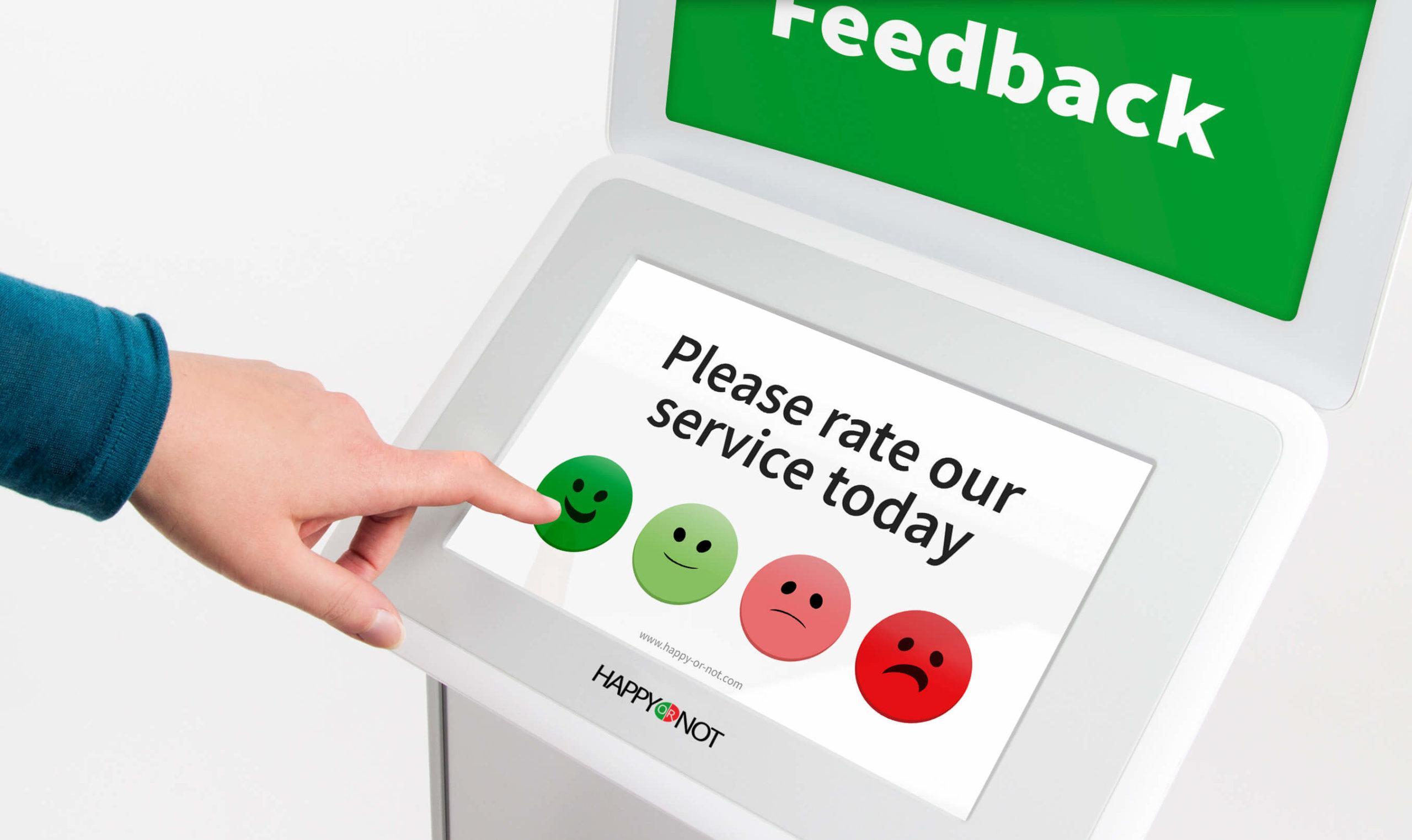
Through customer feedback surveys, online surveys, or even direct customer interactions, businesses can gather valuable information about customers, what improvements they desire, and what may be causing dissatisfaction.
In this article, we explore the 10 benefits of constant customer feedback:
- Why it matters
- How businesses can gain a deeper understanding of their customer’s preferences, needs, and pain points; and
- How constant customer feedback benefits your business
What is one benefit of constant customer feedback?
One significant benefit of constant customer feedback is gaining valuable customer insights. When businesses consistently collect customer feedback, they gain a deeper understanding through detailed feedback insights into their preferences, needs, and pain points.
Through instant feedback surveys, online surveys, or even direct customer interactions, businesses can gather valuable information about what customers value most, what improvements they desire, and what may be causing dissatisfaction.
Moreover, constant customer feedback enables businesses to identify emerging trends and market demands. By staying attuned to customer feedback, companies can proactively adapt their offerings to meet changing customer needs and preferences.
9 more customer feedback benefits
Constant customer feedback brings many benefits to businesses beyond gaining valuable customer insights. Let’s explore 9 additional benefits highlighting the significance of effectively collecting and utilizing customer feedback.
- Improve customer satisfaction
By actively collecting and incorporating customer feedback, businesses can identify areas for improvement and address customer concerns promptly. This leads to enhanced customer satisfaction, as businesses can make necessary adjustments to their operations, products and services, or workforce management to meet customer expectations and provide a better overall experience. - Increase customer retention
When customers feel heard and valued through their feedback acknowledged and acted upon, they are likelier to remain loyal to a business. Constant customer feedback helps companies identify and address issues that may cause customer dissatisfaction, increasing customer retention rates. - Foster customer loyalty
Engaging customers in feedback processes and showing appreciation for their input creates a sense of connection and loyalty. Businesses can build strong relationships with customers by demonstrating a commitment to continuously improving based on customer feedback, making them more likely to become loyal customers and advocates for the brand. - Attract new customers
Positive customer feedback shared on review platforms, social media, or through word-of-mouth acts as powerful social proof. When potential customers see the positive feedback from existing customers, it influences their purchasing decisions and increases the likelihood of them choosing your business over competitors. - Enhance the customer experience
Constant feedback helps businesses understand customer expectations and pain points, enabling them to refine their products, services, and processes. Companies can deliver an exceptional customer experience that sets them apart from competitors by continuously iterating and improving based on customer feedback. - Drive innovation
Customer feedback often includes valuable suggestions and feature requests. By actively listening to customers and incorporating their ideas, businesses can drive innovation and develop new products or services that align with customer needs and desires, feeding back into retention and loyalty. - Make informed business decisions
Customer feedback is a reliable source of information for making informed business decisions. Businesses can gain insights into market trends, customer preferences, and crucial factors influencing their target audience by analyzing feedback patterns and trends. - Enhance brand reputation
By actively seeking and valuing customer feedback, businesses demonstrate a commitment to customer satisfaction and a willingness to listen and improve. This enhances their brand reputation and fosters trust and credibility among existing and potential customers. - Stay ahead of competitors
Constant customer feedback keeps businesses attuned to market demands, emerging trends, and customer expectations. By leveraging customer insights, companies can proactively adapt their strategies and offerings to outpace competitors and maintain a competitive edge.
How to use customer feedback to drive improvement?
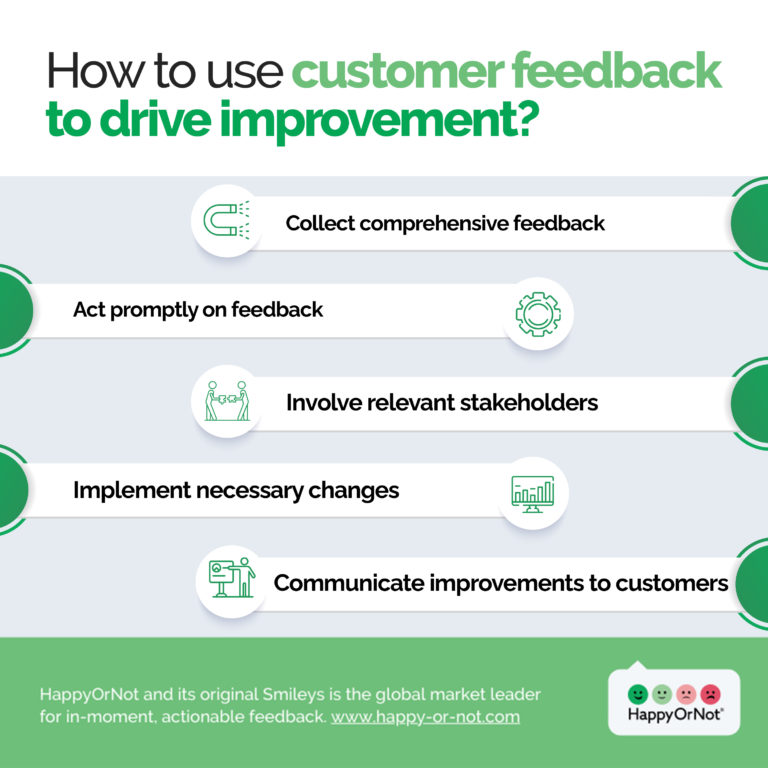
To effectively drive improvement using customer feedback, businesses should implement a structured and proactive approach. Here are 5 key steps to harness the power of customer feedback and translate it into tangible improvements:
- Collect comprehensive feedback
Utilize online and offline customer feedback surveys to gather insights directly from your customers. Ask specific questions about their experiences, preferences, and areas where improvements can be made. Ensure the user-friendly customer feedback survey enables open-ended responses to capture valuable in-depth feedback. - Act promptly on feedback
Once you have gathered customer feedback, prioritize prompt action. Analyze the feedback to identify recurring themes, prioritize areas for improvement, and determine actionable steps. Respond to customer feedback promptly, acknowledging their input and providing updates on the progress of any changes or improvements.
- Involve relevant stakeholders
Share customer feedback with relevant teams and departments within your organization. This includes customer support, product development, marketing, and operations. Collaboration and open communication are a must to ensure all departments are aligned to address customer feedback and drive improvement. - Implement necessary changes
Based on customer feedback, make the necessary changes to improve your products, services, or processes. This may involve refining features, enhancing customer support, streamlining processes, providing additional staff training, or developing new offerings based on customer demands and suggestions. Regularly evaluate the impact of these changes on customer satisfaction and adjust as needed. - Communicate improvements to customers
Keep your customers informed about the changes and improvements you have made based on their feedback. Demonstrate your commitment to their satisfaction and let them know their voices are valued. Sharing the improvements builds trust and encourages ongoing customer engagement and loyalty.
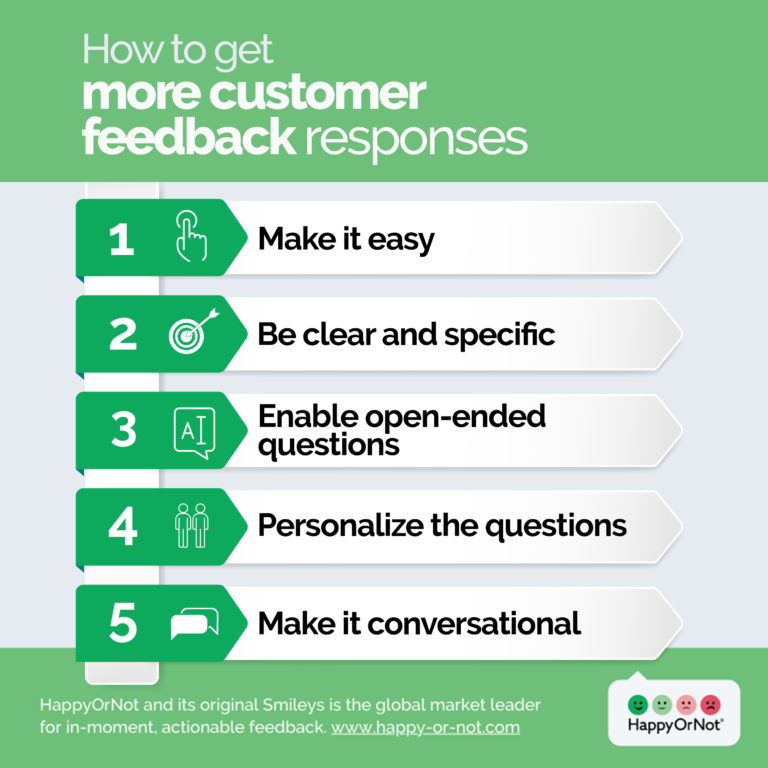
5 tested options on how to get more customer feedback responses
When collecting customer feedback, using clear and concise survey questions can be an effective strategy to encourage more responses and gather valuable insights. Here are some tips on how to use leading questions to get more responses:
- Make it easy
Provide your customers with a way to provide feedback that is quick, easy, and intuitive. By minimizing the amount of friction and time needed, such as a quick tap of a button that can be done in-the-moment without breaking stride, businesses can significantly increase engagement rates and capture honest, real-time customer feedback - Be clear and specific
Craft your questions in a way that is easy to understand and leaves no room for ambiguity. Clearly state the purpose of the question and what type of response you are looking for. Specificity helps customers provide more focused feedback, resulting in more meaningful insights. - Enable open-ended questions
Open-ended questions allow customers to provide detailed responses and share their thoughts freely. Instead of asking yes/no questions, use questions with scale and ask follow-up questions to allow customers to elaborate on their experiences, opinions, and suggestions. This approach provides rich qualitative data and a deeper understanding of customer perspectives. - Personalize the questions
Tailor the questions to each customer or segment of your customer base. By personalizing the questions based on their previous interactions, purchase history, or preferences, you demonstrate that you value their individual experiences. Personalization creates a sense of relevance and encourages customers to engage with the feedback process. - Make it conversational
Frame your questions in a conversational tone to make customers feel more comfortable and engaged. Avoid using jargon or technical language that might confuse or intimidate respondents. Create a friendly and approachable atmosphere through your survey to create a sense of trust and encourage honest responses.
Conclusion
Collecting and utilizing customer feedback is extremely important for businesses striving to thrive in today’s competitive landscape. The advantages are substantial, from gaining valuable customer insights to enhancing the customer experience.
By actively collecting and incorporating customer feedback, businesses can improve customer satisfaction by addressing areas for improvement promptly. This leads to increased customer retention, as customers feel heard and valued.
Frequently Asked Questions
What is one major benefit of collecting constant customer feedback?
The primary benefit of ongoing customer feedback is the ability to gain valuable customer insights. By listening to your customers regularly, you uncover their preferences, needs and pain points, which inform improvements to products, services and experiences directly. With tools like HappyOrNot’s real-time feedback solutions, companies can capture these insights instantly at touchpoints like stores, airports or digital channels, ensuring they never miss critical customer sentiment.
How does constant customer feedback improve satisfaction and loyalty?
When businesses act on feedback promptly, customers feel heard and valued. This leads to higher satisfaction, stronger retention and deeper loyalty over time. Engaging customers in this process builds trust and encourages them to become long-term advocates. HappyOrNot’s smiley-faced terminals and analytics platform empower companies to collect feedback in the moment and quickly identify what’s driving satisfaction or dissatisfaction.
Can constant customer feedback help attract new customers?
Yes. Positive feedback shared through reviews, testimonials or social media serves as social proof that influences the decisions of buyers. Satisfied customers often become the best brand ambassadors. By using HappyOrNot Analytics, businesses can showcase improvements backed by data, reinforcing credibility and attracting new customers through transparency.
How does feedback drive innovation and smarter decisions?
Customers often provide suggestions and feature requests that lead to new ideas. When analyzed at scale, feedback highlights trends that guide innovation. It also serves as a reliable foundation for data-driven business decisions. HappyOrNot helps by turning raw feedback into actionable insights, providing decision-makers with clear visibility into market demands, customer needs and opportunities to innovate faster than their competitors.